
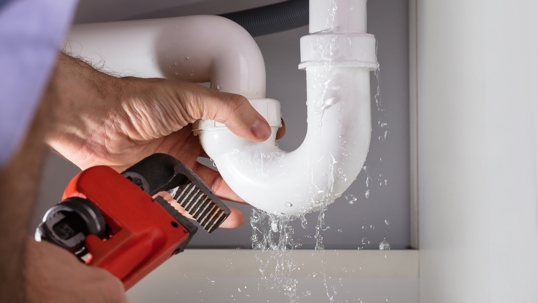
Finding a hidden leak in your Riverview home can upend your routine. Water slipping quietly through walls or beneath floors often causes more than minor inconvenience—it can lead to significant structural damage, unhealthy mold growth, and shockingly high water bills. Many homeowners feel anxious about what’s happening where they can’t see and worry about acting in time. If you’re weighing your next steps, wondering how to spot the telltale signs, or considering how to protect your property, you’re in good company. With over 150 years of combined plumbing experience in our team, we’re here to help you navigate this challenge, from early detection to responsible repair decisions.
How to Spot the Subtle Signs of Hidden Water Leaks in Riverview
Hidden leaks rarely reveal themselves with an obvious puddle. The first alerts are often more subtle: a sudden, unexplained increase in your water bill, persistent musty odors, mysterious mold growth on walls or ceilings, and warped or buckling floors. Sometimes, you may even hear a faint dripping or rushing water sound, especially late at night when the home is otherwise quiet. Discolored or bubbling paint and soft patches in drywall can also be clues that trouble lurks behind the surface.
Homes in the Riverview area are uniquely affected by local factors. Our region’s humid climate encourages mold growth when unseen moisture lingers. Many older homes use galvanized steel pipes, which are more likely to corrode and fail from the inside out. Shifting weather patterns, which prompt pipes to expand and contract, can trigger cracks that start minor leaks. Houses with plumbing over 20 years old deserve careful periodic checks, as aging materials often hide seepage for years before trouble becomes obvious.
You can try a quick assessment by turning off all water fixtures and appliances in your home, then watching your water meter. If it continues to move while nothing is running, water is likely escaping somewhere behind the scenes. Some leaks hide under slabs or behind finished walls, remaining invisible to the naked eye. The earlier you detect a hidden leak, the more options you have to address it efficiently without larger renovations down the road.
What Should You Do Right Away After Suspecting a Hidden Leak?
As soon as you suspect a hidden leak, taking rapid action helps prevent further damage. The first priority is to shut off your main water supply, usually found near the water meter or where the primary line enters your home. Cutting off the supply quickly stops additional water from fueling the leak. If you see standing water, or the leak is close to electrical outlets or wiring, steer clear of the affected area and, if safe, turn off power at the breaker panel to reduce risk.
Documenting the situation helps both the plumbing assessment and potential insurance claims. Take clear photos of any water stains, warped materials, peeling paint, or mold. Note when you first saw signs of moisture and record any unusual sounds or odors. This documentation acts as evidence for your plumber and your insurance company, allowing for smoother repair and claims processes. Keeping a simple log of events can make a big difference down the line.
Avoid taking apart walls, cutting drywall, or removing flooring in hopes of a do-it-yourself fix. Well-meaning attempts to chase leaks often cause more harm, increasing repair costs and spreading moisture. Focus on containing visible water with towels or buckets and let trained professionals using advanced leak detection tools inspect the concealed areas. Taking measured steps ensures you avoid costly mistakes and helps the plumber work efficiently when they arrive.
Is DIY Hidden Leak Detection Worth Trying Before Calling a Plumber?
Many homeowners wonder if they can track down a hidden leak before a plumber arrives. There are a few practical steps you can try. Start by inspecting typical trouble spots: under kitchen and bathroom sinks, behind toilets, near appliances like your washing machine, and around the water heater. Look for dampness, the musty smell of mold, or soft drywall and flooring that feels unusual underfoot. These signals often suggest a leak is nearby, though not always the exact location.
Try the water meter test, which is often reliable. Turn off all water-using appliances and faucets and check the water meter over a 15- to 30-minute period. If the meter shows water is still moving, a leak is likely. If you own an infrared thermometer, you can scan for cold spots in your walls or floors, which may reveal damp zones hidden out of sight. Listen as well—while professional plumbers use acoustic tools, some leaks may be audible as faint hissing or dripping sounds during quiet hours.
There are limits to what do-it-yourself techniques can accomplish. Complex leaks hiding under slabs or deep inside walls almost always require professional attention. If the issue worsens fast—like growing mold patches, sagging ceilings, or rising water—you should contact a plumber immediately. Relying on quick home fixes for long can worsen the damage, driving up costs and complexity. Use your initial findings as helpful information for your plumber to speed up the diagnostic and repair process.
Can a Hidden Leak Cause Major Damage, or Is It Usually Minor?
Not every hidden leak leads to catastrophic damage, but no leak is ever entirely harmless if it goes unchecked. The true risk depends on how long water has been escaping and what materials lie in its path. Slow leaks behind walls can undermine framing and insulation, setting the perfect stage for mold and mildew. When water ends up near wiring or electrical panels, both fire risks and air quality issues can develop over time.
Riverview homes face specific risks, such as slab leaks beneath concrete foundations. Water pooling underneath can destabilize the slab, leading to foundation cracks, uneven floors, and even structural compromise. Slab leaks often become clear only when you notice warm spots on floors, shifting doors, or unexplained moldy smells. When these go undetected, expensive restorative work may become necessary to repair the home and its infrastructure.
Responding promptly helps minimize the impact and keeps repair costs in check. Early intervention often means contained repairs—patching a pipe, drying affected framing, or replacing a small section of drywall. Allowing leaks to persist increases both repair bills and the amount of your home affected. Mold can develop in less than 48 hours under humid conditions, so every day matters. Early action is the best way to limit disruption and cost in your home.
How Much Does Hidden Leak Detection in Riverview Usually Cost?
Understanding how much leak detection typically costs in Riverview helps homeowners plan and avoid surprises. Hidden leak detection services in this area generally range between $150 and $500, depending on house size, plumbing complexity, and where the leak is suspected. If the leak is particularly challenging to access—such as under concrete or within several walls—costs can be higher due to the time and equipment needed for advanced diagnostics.
Viewing leak detection as an investment makes sense when considering the high price of unchecked water damage. Ignored leaks can lead to repair bills in the thousands for floors, drywall, ceilings, or even foundational work. Early detection means simple repairs are more likely to work, and you can avoid extensive home renovations. Check with your homeowner’s insurance—some policies reward timely leak detection or maintenance with premium discounts, especially if you can show you’ve acted to limit damage.
Factors like property age, plumbing material, and the technology the plumber uses influence the final cost. Be skeptical of unusually low offers, as these may indicate rushed inspections or the use of outdated methods with higher risks of misdiagnosis. Homeowners in Riverview often prefer transparent pricing and clear communication from local professionals who care about getting the job done right—not just quickly.
What Leak Detection Methods and Tools Do Professional Plumbers Use?
Professional plumbers don’t rely on guesswork to find hidden leaks in homes. Modern leak detection uses a range of advanced tools designed to locate the source without causing unnecessary damage. Acoustic listening devices detect the faintest sounds of water moving through pipes or leaking behind walls. These devices amplify and isolate leaks, even through thick building materials, helping plumbers zero in efficiently.
Infrared thermal imaging is another powerful tool, revealing temperature differences caused by dampness behind surfaces. These cameras spot cool or warm spots that signal areas where water collects, hidden to the human eye. Pressure testing also plays a key role. By isolating certain sections of piping and measuring for pressure drops, plumbers can determine exactly where leaks occur. Some cases even call for tracer gas—a safe, non-toxic gas released into pipes—to help pinpoint hard-to-find leaks using sensitive detection equipment.
At The GOAT Plumbing Company, we always use industry-leading technology to save you time and minimize unnecessary disruption. Our approach combines decades of hands-on knowledge with up-to-date diagnostics, so we can provide fast, accurate results and help you make informed decisions about your home’s plumbing. Investing in these tools isn’t just about better repair—it’s about delivering the kind of care and service our Riverview neighbors deserve.
Does Homeowner’s Insurance Cover Hidden Leak Repairs in Riverview?
Figuring out when insurance will cover the cost of leak repairs can be confusing. In general, most homeowner’s insurance policies cover water damage caused by sudden, accidental plumbing failures—such as a pipe that bursts unexpectedly. However, if a leak has been ongoing for months or developed due to lack of maintenance, coverage may be denied, especially if there is evidence of neglect. Every policy is a bit different, so review the fine print for language like “sudden and accidental discharge” or water exclusion clauses.
Your policy may cover water damage repair—like replacing warped drywall or flooring—but not always the cost of fixing the actual plumbing. Special exclusions sometimes apply for slab leaks, crawlspace moisture, or mold remediation, which can complicate claims. Thorough documentation builds a stronger case. Save receipts, keep estimates from your plumber, and take clear before-and-after photos to support your claim.
Act quickly once you suspect a leak and notify your insurance provider as soon as possible, even if repairs have already begun. Fast action, clear records, and transparent collaboration with your plumber usually support more favorable outcomes. If you have questions about your specific insurance scenario, ask your plumber for guidance tailored to the Riverview area—they can often offer helpful tips based on years of local experience.
How to Choose the Right Leak Detection Professional in Riverview
Selecting the right plumbing company for hidden leak detection is key to a successful and stress-free experience. Choose a provider that maintains a positive local reputation and always communicates openly with clients. Confirm that anyone you contact is fully licensed and insured to work in your area, with a strong record of excellent service and reliability.
Ask detailed questions about the technologies and methods used for leak detection. Acoustic, thermal, and tracer gas equipment show that a company invests in delivering efficient, non-invasive solutions. Steer clear of providers who insist on unnecessary or unclear repairs. The best plumbers in Riverview will offer options—not ultimatums—by explaining what’s required, what’s recommended, and what you can safely defer or decline. Transparent pricing, written estimates, and a willingness to answer your questions before any work starts are hallmarks of a trustworthy team.
At The GOAT Plumbing Company, our team is built on the principles of communication, compassion, and honest service. We offer every client three clear paths—repair, rejuvenate, or replace—so you’re informed and confident in every decision you make. Our commitment to leveraging advanced leak detection technology ensures the process is as accurate and minimally invasive as possible. With us, you can expect clarity, integrity, and a dedication to getting your home back to normal fast.
Proven Tips to Prevent Future Hidden Water Leaks
Protecting your home from future plumbing issues saves both time and money. Start by scheduling routine visual checks—inspect under sinks, behind toilets, and around major appliances for signs of dampness, water stains, or musty smells. Riverview’s humid climate accelerates pipe wear and encourages mold growth, so pay extra attention to areas that tend to stay dark or unventilated. Insulating pipes, especially in unconditioned spaces like attics or crawlspaces, helps defend against seasonal temperature fluctuations that can lead to cracks or splits.
Upgrade old supply lines to braided stainless steel hoses, which can reduce risk of leaks at connection points. Installing water alarms in the basement, laundry room, or near your water heater gives early warning of issues before they escalate. Also, review your water bill each month—a sudden uptick is often your first sign of hidden pipe damage. If your plumbing system is more than two decades old, arrange for regular professional inspections. Early identification of potential weak spots keeps repairs straightforward and affordable.
Remember, most hidden leaks develop gradually rather than through dramatic, sudden failures. You can keep your risk low by being proactive, using modern leak detection technology, and maintaining an ongoing relationship with a trusted plumber. At The GOAT Plumbing Company, we’re always happy to answer questions, share prevention strategies, and help make hidden leaks a thing of the past for you and your family.
What to Expect During a Professional Leak Detection Service Call
A visit from a professional plumber for hidden leak detection in Riverview follows a careful and methodical process. It typically begins with a conversation—your observations and records help frame the investigation. The plumber conducts a thorough walkthrough, looking over visible pipes, fixtures, and affected areas. Professionals then deploy advanced diagnostics, including listening devices, infrared cameras, and targeted pressure tests, to identify the source of water loss without tearing apart your flooring or walls.
Throughout the assessment, expect frequent updates and detailed explanations. Reliable plumbers present their findings and outline multiple repair paths—such as basic repairs, rejuvenation of aging pipes, or, if needed, full replacement in severe cases. They discuss the pros, cons, and cost implications of each choice, empowering you to align your decision with your family’s needs and budget. This transparent communication fosters trust and reduces stress at each step.
After detection and before any repair, you’ll receive clear documentation describing what was found, why it matters, and what actions are recommended. Written reports, photos, or diagrams may accompany your invoice for your records and any insurance claims. The entire process centers on clarity, control, and restoring comfort to your home as swiftly and responsibly as possible.
Common Myths About Hidden Leak Detection Riverview Homeowners Should Ignore
Misconceptions about leak detection cost Riverview homeowners time and money. One common myth is that all leaks create obvious signs, like dripping water or visible puddles. The reality is that many leaks remain hidden for weeks, especially within walls or under slabs, producing little noise or visible damage until the situation worsens. Another mistaken belief is that a confident homeowner can always solve leak issues without professional help. While some leaks are straightforward, most demand advanced tools to avoid unnecessary demolition and ensure proper repairs.
Many assume homeowner’s insurance automatically covers every kind of water damage. Most policies don’t cover slow, hidden leaks that result from ongoing wear or poor maintenance. Coverage is typically limited to sudden, accidental failures. Some homeowners also mistakenly think every plumber uses the same equipment and methods. In truth, contractors vary widely in the tools and diagnostics they deploy, affecting the repair’s accuracy and invasiveness. Choosing professionals who invest in non-invasive, data-driven techniques can have a big impact on results.
Trust your own instincts and observations, and reach out to a qualified, reputable local team when in doubt. Acting promptly helps contain damage, unlocks more repair options, and saves on restoration costs. Don’t let misinformation guide your actions—reliable information and open communication are your strongest defenses against costly home repairs.
If You Need Hidden Leak Detection Right Now, Here’s Where to Start
If you think you have a hidden leak in your Riverview home, take immediate steps to protect your property. Shut off your main water valve, make a note of any unusual symptoms, and take photos of any sign of moisture or water damage. Gather information on when the issue began and where you notice problems. Then, reach out to a local plumbing team known for integrity, open communication, and advanced detection technology.
At The GOAT Plumbing Company, we put honesty and respectful dialogue at the heart of every service call. We’ll walk you through your available choices so that you can make confident decisions for your home and your family’s well-being. Whether you’re dealing with a suspected hidden leak or want to schedule a proactive plumbing inspection, call us at (813) 461-5131. Our experienced team is ready to help you safeguard your Riverview home with clarity and care.