

DIY Garbage Disposal Maintenance Tips
Every day, our garbage disposals handle plenty of kitchen scraps, and we expect them to work without fail. Still, even a dependable unit can develop problems without the right care. If you want fewer breakdowns, less odor, and a disposal that lasts, a few simple maintenance habits make all the difference. In Riverview, we know how much homeowners rely on their kitchens, so let’s explore proven, safe ways to keep your garbage disposal running smoothly for years to come.
What Everyday Habits Lead to Most Garbage Disposal Problems?
Daily routines can shorten the life of a garbage disposal more than homeowners realize. Rushing to clear plates after a meal often leads to overstuffing the disposal, which can jam the blades or overload the motor. Many people also neglect to let cold water run before, during, and after use — a key step that helps solidify and flush away fatty foods and waste. When we skip this, debris builds up in the drainpipe and within the unit, increasing the risk of clogs and bad smells.
A common misconception is treating the disposal like a trash can. It can be tempting to put any scrap down the drain if you think the blades can handle it, but this behavior is behind many service calls. Food like pasta and rice expands with water, causing sticky blockages, while fibrous vegetables wind around the blades, stalling the mechanism. Tossing non-food materials or letting stray utensils slip inside can lead to instant damage that’s often more complicated to fix than a straightforward clog.
Another overlooked habit involves irregular or incomplete cleaning. Simply running water and using the disposal isn’t enough to prevent the buildup of sticky residue and odor-causing bacteria. By failing to maintain a regular cleaning schedule, you allow gunk to coat the unit’s moving parts and splash guard. Over time, this reduces disposal efficiency and adds stress to your home’s plumbing, which may eventually affect other fixtures as well.
Which Foods & Items Should Never Go Down Your Garbage Disposal?
Knowing what not to put in your garbage disposal is a major step in avoiding breakdowns and repairs. Fibrous foods like celery, asparagus, and corn husks are notorious for tangling the blades and gears, quickly causing jams and slowing down the whole system. Potato peels, onion skins, and artichoke leaves often appear harmless but can wrap around moving parts or slip into the drain line, where they form tough clogs that water alone can’t budge.
Oils and grease might seem liquid when pouring them down, but they solidify as they cool in the disposal or pipe. Over time, this sticky residue builds up and attracts even more debris, resulting in major blockages. Food like pasta, rice, and bread also presents a risk because it swells on contact with water, sticking to the sides of your disposal and pipes until water stops draining properly. Bones and fruit pits may appear small, but even tiny fragments can damage or dull the blades, and large chunks may jam the motor completely.
Disposals are not designed to handle non-food items. Tiny pieces of plastic, twist ties, or even occasional bits of silverware dropped during a busy cleanup can lodge in the blades or pipes and bring the unit to a grinding halt. Before turning on your disposal, double-check what’s inside and remove any questionable objects. Teaching your family what stays out of the disposal not only protects your kitchen but adds years to the unit’s life.
Safe & Effective Ways to Clean and Deodorize Your Garbage Disposal
Maintaining a fresh, odor-free disposal is simple when you use safe, household products—and you never need harsh chemicals to get the job done. One effective cleaning method uses a handful of baking soda poured into the drain, followed by a cup of white vinegar. Let it bubble for about ten minutes, which breaks down residue left behind by greasy foods. Afterward, rinse thoroughly with hot water to clear loosened debris and neutralize odors.
You can also clean the blades and sharpen them gently by grinding up a few ice cubes. For added cleaning power, freeze vinegar in your ice cube tray and use those instead. Drop a couple of cubes down the disposal and run cold water to let them break up stuck-on grime and refresh hard-to-reach places. Grinding small citrus peels, such as lemon or orange, offers a natural way to combat odors. Always cut peels into smaller pieces to prevent blade jams, and don’t overdo it — a little goes a long way.
Don’t forget the splash guard, which collects much of the grime that causes foul odors. Lift the guard and scrub it thoroughly with warm, soapy water and a stiff brush. Make a habit of this as part of your weekly cleaning routine. A monthly deep clean keeps lingering smells at bay, extends the life of your disposal, and encourages a healthier kitchen for your family.
Maintenance Tips to Keep Garbage Disposal Blades & Motor Working Longer
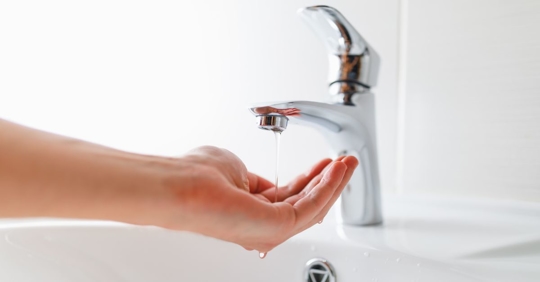
Proper maintenance of your disposal unit’s blades and motor helps avoid costly repairs and ensures smooth operation. Always run cold water before, during, and after using the disposal to prevent grease from coating the blades and pipes. Cold water encourages the fats and food particles to harden, so the disposal can chop them up and flush everything away efficiently. After processing food scraps, allow the cold water to run for 10–15 seconds to clear the line and keep the motor from overworking.
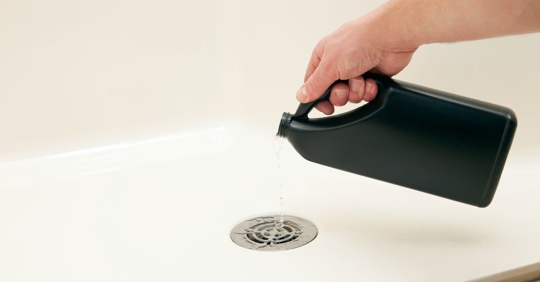
Look out for changes in how your disposal operates. Slower grinding, straining noises, or reduced power are early signs that blades might be dulling or the motor could be under strain. Cleaning the disposal occasionally with a mixture of ice and coarse salt offers a mild, abrasive action that removes buildup without damaging the blades. Avoid commercial drain cleaners, as their harsh chemicals can eat away at metal components, erode gaskets, and even void your unit’s warranty.
The disposal’s longevity isn’t only about what you put in—it’s also about how you use it. Don’t run the unit for long periods once food is gone, as this generates needless wear. Also, avoid the temptation to rapidly stuff large volumes of food into the chamber; process scraps gradually so the system doesn’t jam or overheat. Sticking to these habits makes it much likelier your disposal will serve you well for years to come.
What to Do If Your Garbage Disposal Smells Bad or Makes Strange Noises
Unpleasant odors or odd sounds from your disposal should always prompt quick action. Smells most often point to old food particles trapped around the blades or under the splash guard. Start by turning off the power, then scrub the unit and splash guard thoroughly using dish soap and a long-handled brush. Make sure to reach every crevice, since even tiny food remnants can cause smells that permeate the kitchen. Use the baking soda and vinegar method regularly to tackle persistent odors.
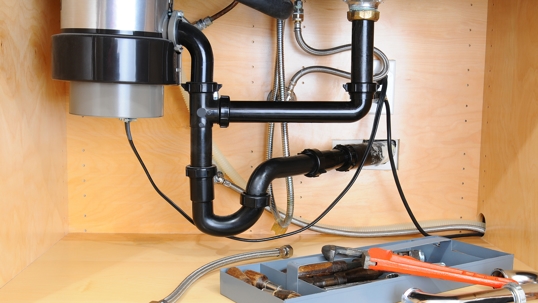
If you hear new or unusual sounds—like rattling, grinding, or humming—a foreign object may be lodged inside. Always disconnect the power before you check, and use tongs or pliers to safely remove anything that doesn’t belong. A humming noise without blade movement usually means a jammed impeller. Use the reset button beneath the unit and a disposal wrench to rotate the blades from the bottom. If the motor keeps humming or doesn’t run after these steps, avoid repeated attempts to power it on to prevent burning out the motor.
When smells or noises don’t resolve after DIY cleaning and troubleshooting, or if the problem persists for several days, it’s a sign of a deeper mechanical issue. Worn bearings, dull blades, or electrical faults may all play a role. In these cases, a professional can evaluate the problem, recommend appropriate solutions, and ensure your home’s plumbing system runs smoothly. Taking quick action protects both your disposal and your overall drain system.
How to Unclog a Garbage Disposal Safely Without Damaging Your Plumbing
Many clogs can be cleared safely at home if you follow the right steps. Always begin by disconnecting the power—either unplugging the disposal or turning off the kitchen breaker for absolute safety. Use tongs or pliers to remove visible debris at the drain opening, keeping your hands well away from the blades. Frequently, simply removing a jammed object or a wad of stringy vegetables is enough to restore full function.
If the clog sits deeper, try a natural cleaning solution. Pour half a cup of baking soda, followed by a cup of vinegar, down the drain and wait ten minutes for the fizz to break up the blockage. Follow this with boiling water to flush remaining debris from the pipes and disposal chamber. If these steps don’t resolve the clog, use the disposal’s hex wrench to turn the impeller manually from underneath—this often loosens deeper jams so you can clean and rinse thoroughly.
Ongoing clogs may indicate bigger issues, such as a blocked drain line or an underlying problem with your plumbing system. If troubleshooting these steps doesn’t solve the problem, or if water backing up becomes a regular occurrence, it may be time to consult a professional with the tools and experience needed to prevent further damage.
When to Call a Professional Plumber for Garbage Disposal Issues
While many clogs and odors can be fixed at home, there are situations where professional plumbing support becomes essential. If your disposal repeatedly shuts off, trips the circuit breaker, or refuses to turn on after basic troubleshooting, internal wiring or the motor itself could be compromised. Repairing these components safely requires the skills and equipment only a trained professional can bring to the job.
Persistent leaks —especially around the disposal fittings, drain line, or connecting pipes—signal worn seals, cracked parts, or problems beyond quick fixes. Likewise, if your disposal experiences repeated jams or grinding noise afterward, the internal components might need more than a do-it-yourself adjustment. Licensed plumbers can inspect your system, explain whether a repair, rejuvenation, or replacement is best, and provide solutions that keep your home running smoothly without unnecessary or unwanted services.
Riverview homes, especially older properties, sometimes have plumbing setups or building codes that require special attention. Local professionals not only know these systems inside out but bring advanced tools, up-to-date training, and a commitment to transparency for every service call. When you call The GOAT Plumbing Company, you know exactly what to expect: clear communication and honest options from a team that treats your home with real care.
How Routine Maintenance Prevents Plumbing Emergencies in Your Home
Staying ahead of major plumbing emergencies starts with the simple routine care of your disposal and drains. Regular cleaning keeps food and grease from building up, reducing the risk of kitchen floods or persistent pipe blockages. In Riverview’s humid climate, this is even more significant—residual moisture in the disposal or pipes can lead to rapid bacterial growth and corrosion, which goes undetected until bigger issues emerge.
Just a few minutes of preventative maintenance each week helps avoid surprise repairs or costly service calls. Recognizing small warning signs—such as slow draining, new odors, or louder operation—lets you solve tiny problems before they escalate. Routine cleaning and proper use support the daily reliability of your kitchen plumbing and cut down on overall water usage by keeping everything flowing efficiently. Proactive care pays off, both for your wallet and your peace of mind.
These simple habits also protect connections to other sinks, dish lines, and appliances, helping to preserve the value of your entire plumbing system. With regular maintenance, your disposal works reliably through every meal, helping prevent the stress and disruption of unexpected emergencies. A well-cared-for kitchen gives your household one less thing to worry about.
Debunking Myths About Garbage Disposal Maintenance
Plenty of myths surround garbage disposal maintenance—so let’s get the facts straight. Many believe that ice cubes alone will sharpen the blades, but ice is best at cleaning rather than sharpening. Its abrasive action helps knock off gunk and debris, but it won’t restore a dull edge. Citrus peels are also touted as a fix-all, but using them in excess can jam blades or leave behind oils that contribute to clogs. Always cut citrus into small pieces and use only as needed to keep your disposal smelling fresh and clean.
Another myth suggests that any food waste is safe if cut into small pieces. Even small scraps of pasta, eggshells, or fibrous vegetables can build up in pipes and cause stubborn clogs. Also, while running hot water with soap may seem like a good idea for cleaning, it can actually soften fatty grease, causing it to travel deeper before solidifying into a more problematic blockage. Cold water remains the best practice for running your disposal, which helps keep grease in a solid state for the blades to handle efficiently.
Commercial drain cleaners don’t offer a safe shortcut. Harsh chemistry can erode seals and metal parts, greatly shortening your disposal’s lifespan. Instead, stick to proven, safe cleaning methods like baking soda, vinegar, ice, and mechanical cleaning. These approaches get your disposal clean, odor-free, and working its best—all while protecting your investment in the long run.
Why Having a Trusted Plumbing Partner Makes Kitchen Maintenance Easier
Having a reliable plumbing partner provides more than just quick fixes when things go wrong—it brings reassurance, open communication, and real solutions. At The GOAT Plumbing Company, we believe honest advice and transparency are the most important tools in our kit. We respect your priorities by giving you clear choices for every service call: repair, rejuvenation, or replacement. That way, you get to decide what fits your needs and your budget, without any unnecessary upsells.
Our approach goes beyond tools and parts. We treat every home with care, stand by our word, and keep you informed at every step. Quick response matters, especially during emergencies, so our team is known for promptness and flexibility when you need it most. Each member is fully licensed and insured, dedicated to ongoing training to keep up with the best new technologies so your household always gets up-to-date solutions.
If you’re interested in making garbage disposal care easy year-round, or if you need trustworthy advice on any plumbing concern in Riverview, give us a call at 813-743-4263. We’re ready to help you protect your home, extend the life of your disposal, and enjoy a kitchen that works as hard as you do.